


-
The Winter Emergency Preparedness & Home System Mapping Guide
As November brings sub-zero temperatures, freezing rain, and early snowfall across Ottawa, Orleans, Nepean, and surrounding communities, winter weather can put unexpected stress on your home. Heavy ice storms, sudden thaws, and severe winter power outages can happen when you least expect them.
Being prepared isn’t just about having extra blankets and candles. It’s about understanding how your home’s critical mechanical systems work and knowing how to act quickly during an emergency. Taking time now to map out your home’s utility controls and set up a winter emergency plan protects your property from severe water damage, frozen pipes, and heating failures before the deep freeze arrives.
Use our essential 8-point guide to prepare your home and family for winter emergencies across Eastern Ontario.
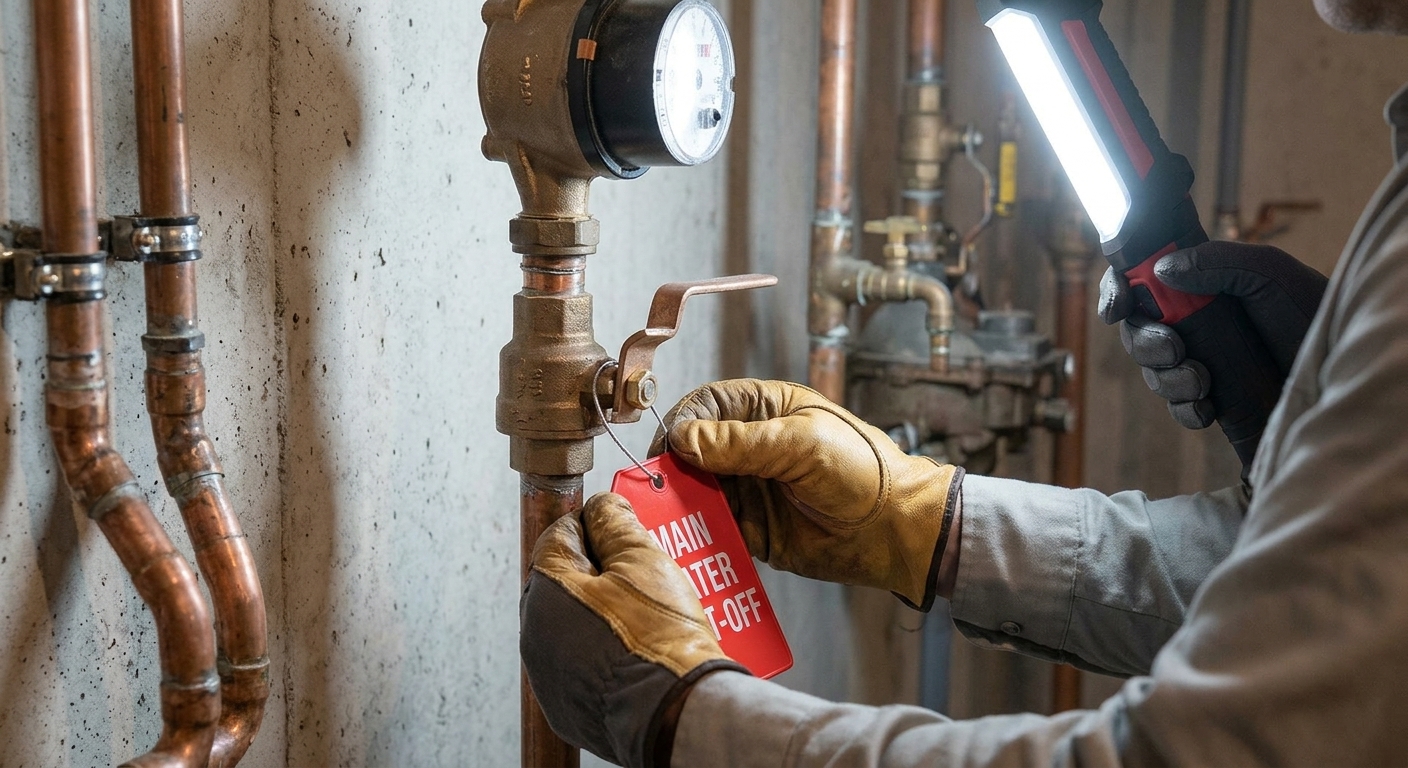
1. Map & Tag Your Main Water Shut-Off Valve
During a severe winter cold snap, a burst pipe can flood a basement in minutes, causing thousands of dollars in structural and cosmetic damage. Knowing where your main water shut-off valve is located and ensuring everyone in your household knows how to operate it is your first line of defence.
How to Prepare: Locate your main water service line, which typically enters the home through the basement floor or front foundation wall. Ensure the valve handle (whether a gate valve wheel or lever-style ball valve) turns smoothly. Hang a bright, highly visible tag on the handle so it can be identified instantly in the dark or during an emergency.
When to Call a Professional: If your main valve is seized, leaking around the stem, or corroded, contact a licensed plumber immediately to replace it before winter arrives.
2. Locate & Clear Gas Shut-Offs & Electrical Panels
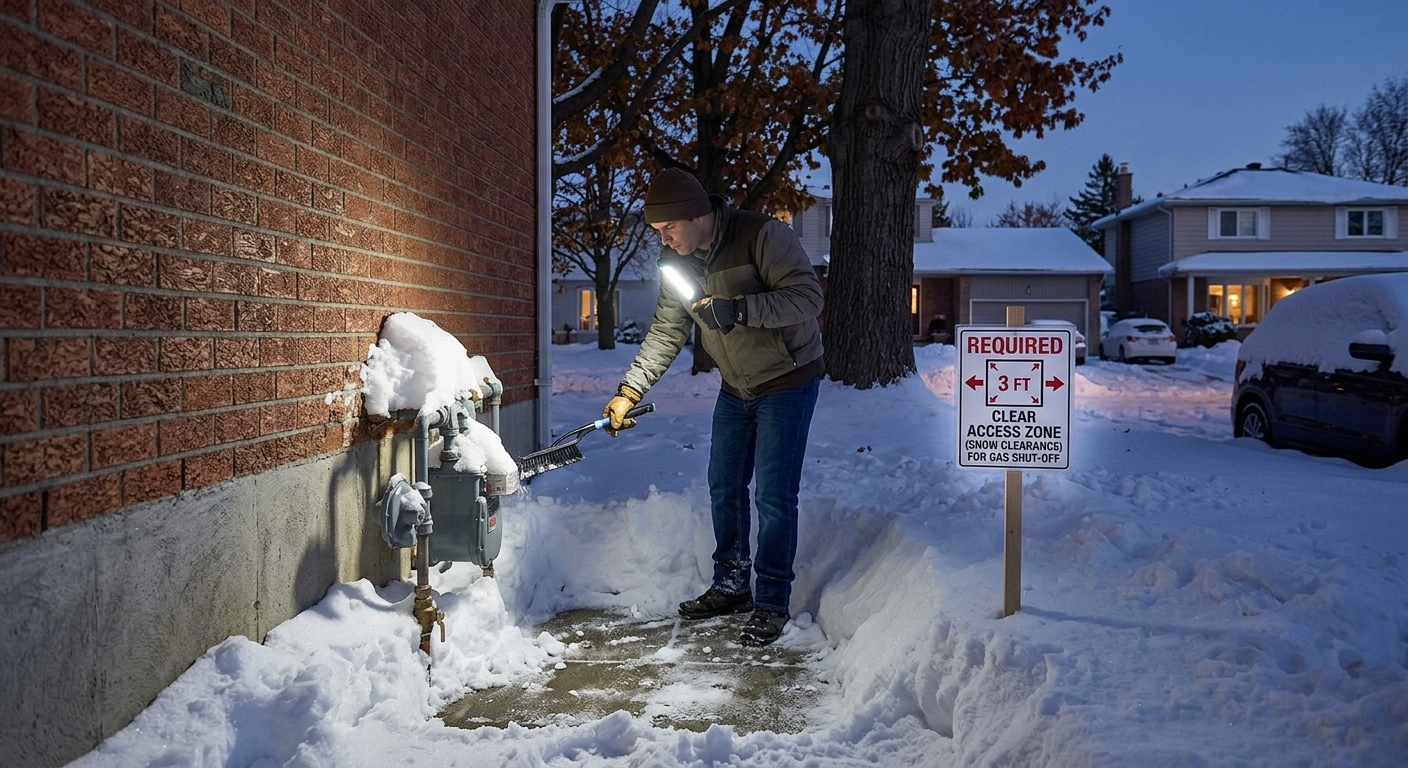
If an emergency requires you to cut power or gas to your home, scrambling in the dark behind stored boxes is dangerous. Clear access to your electrical panel and gas meter is critical for both homeowner safety and emergency responders.
How to Prepare: Maintain a clear, unobstructed 3-foot clearance in front of your main electrical panel. Ensure all circuit breakers are accurately labeled for each room and major appliance (furnace, sump pump, water heater). Inspect your exterior gas meter to ensure it remains free of stored items, leaves, and ice.
When to Call a Professional: If your electrical panel shows signs of rust, buzzing noises, scorch marks, or double-tapped breakers, have a certified electrician evaluate the system.
3. Safely Position & Test Portable Generators
Backup generators are a lifesaver during prolonged winter power outages, but improper setup poses severe risks of carbon monoxide (CO) poisoning and electrical backfeeding into the grid.
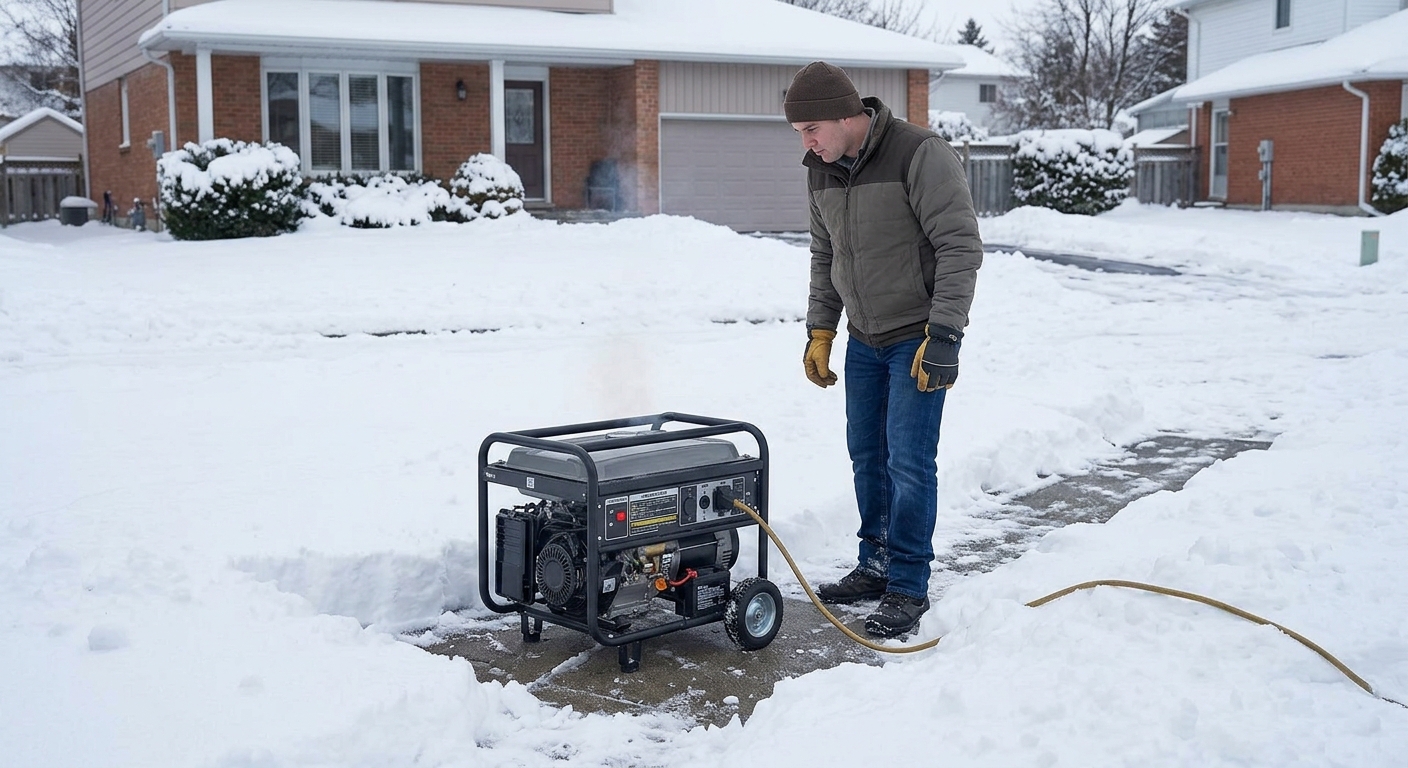
How to Prepare: Always run portable generators outdoors at least 20 feet away from the house, well clear of windows, doors, garage openings, and sidewall intake vents. Test-start your generator before the first major snowstorm, verify you have fresh fuel with stabilizer added, and ensure heavy-duty, outdoor-rated extension cords are on hand.
When to Call a Professional: Never plug a generator directly into a standard wall outlet. If you want to power your home’s hardwired heating or sump pump systems directly, hire a licensed electrician to install an approved manual transfer switch.
4. Install & Test Battery-Powered Emergency Lighting
When winter storms knock out power on long, dark November nights, searching for flashlights with dead batteries creates unnecessary safety hazards along stairs and hallways.
How to Prepare: Install wall-mounted emergency plug-in lights in key transit zones, such as stairwells, mechanical rooms, and hallways. These smart units remain plugged into standard outlets and automatically turn on when power is cut. Keep high-lumen flashlights or headlamps placed on nightstands and near your electrical panel, equipped with fresh batteries.
When to Call a Professional: If your home's stairways lack proper handrails, standard nightlighting, or accessible switching, consult an inspector or contractor to resolve safety concerns before winter.
5. Assemble a 72-Hour Household Winter Emergency Kit
Eastern Ontario winter storms can disrupt utility services and roads for days. Having a dedicated 72-hour emergency preparedness kit ensures your family stays warm, hydrated, and safe.
How to Prepare: Store your kit in a warm, easily accessible area above floor level. Your kit should include:
Non-perishable food and 4 liters of bottled water per person per day.
A manual can opener.
A crank- or battery-powered radio for local emergency updates.
A complete first-aid kit and a 7-day supply of essential medications.
Portable power banks for mobile phones.
Thermal blankets, sleeping bags, and warm winter footwear.
When to Call a Professional: If family members rely on medical equipment requiring uninterrupted power, consult your utility provider about medical priority registration and backup power requirements.
6. Verify Backup Sump Pump Power & Discharge Lines
Early winter rainstorms paired with sudden thaws can overwhelm basement sump pumps. If a winter storm causes a power outage during a thaw, your sump pump stops working, leading to basement flooding.
How to Prepare: Test your primary sump pump by pouring a bucket of water into the pit to verify the float switch triggers cleanly. Install a battery-backup sump pump system alongside your main unit to ensure continuous operation during power outages. Outdoors, ensure the discharge pipe extends past the foundation line and is equipped with a freeze-proof bypass fitting (such as an IceGuard attachment) so water can escape even if the end of the pipe freezes over.
When to Call a Professional: If your sump pump makes loud grinding sounds, fails to clear the pit quickly, or lacks a battery backup system, have an inspector or plumber evaluate your foundation drainage setup.
7. Establish Pipe Freeze Prevention Protocols
When extreme sub-zero temperatures strike Ottawa, water inside uninsulated pipes can freeze and expand, bursting the pipe. Knowing how to protect your plumbing during an extended heating failure buys vital time.
How to Prepare: Insulate exposed water pipes passing through unheated areas like basements, garage ceilings, and cold cellars with foam pipe sleeves. During severe cold spells or heating outages, open under-sink cabinet doors to allow warm room air to circulate around plumbing fixtures. If your heating fails entirely, set indoor faucets to a slow, steady trickle to keep water moving and prevent freezing inside supply lines.
When to Call a Professional: If you notice reduced water pressure from a specific faucet during a freeze, or suspect a pipe is already frozen inside a wall, contact a professional plumber immediately before the pipe ruptures.
8. Prepare Your Home Emergency Contact & System Directory
When a home system fails in the middle of a winter night, stress levels run high. Having a centralized, physical directory of emergency contacts and system locations saves crucial minutes.
How to Prepare: Create a laminated or sheet-protected index card posted near your electrical panel or main water shut-off. List emergency numbers for your local electric utility, natural gas provider, emergency services, primary plumber, HVAC contractor, and home inspector, alongside clear notes detailing the locations of your main shut-off valves.
When to Call a Professional: Schedule an objective seasonal home inspection or property assessment if you have recently purchased your home and need help locating, evaluating, and documenting its mechanical systems.
Partnering with the Local Experts
Taking an hour to map out your home’s shut-off valves, test emergency lighting, and assemble a 72-hour winter kit provides invaluable protection when Ottawa’s winter weather hits.
While basic emergency prep is straightforward for homeowners to manage, identifying hidden mechanical risks, aging equipment, or improper drainage requires an experienced eye. Whenever you encounter unexpected performance issues, feel unsure about your home's heating or plumbing systems, or want a complete, objective overview of your property's condition, our team is here to help. We provide transparent, thorough home inspections to keep your property safe, comfortable, and protected all year long.
Have questions about your seasonal winter prep, or looking for a comprehensive property evaluation? Contact our team today at 613-292-PEAK (7325) to speak with us directly, or schedule your home inspection online.
For more local Ottawa home care guides, visit our main website or get in touch with Atlas Peak Inspections today.