

-
The Ultimate Ottawa Fall Home Maintenance Checklist: Protect Your Home Before Winter
As summer winds down across the National Capital Region, autumn brings cooler temperatures and heavy seasonal rainfall to Ottawa, Orleans, Nepean, and surrounding neighbourhoods. While fall is a beautiful time of year in Eastern Ontario, it is also the most critical season for preventive home maintenance.
Preparing your property before the first hard freeze prevents costly structural damage, lowers energy bills, and protects your investment. Use this practical, step-by-step checklist to inspect your home, fix minor issues yourself, and know when a subtle warning sign warrants calling in a certified home inspector.
1. Clear Gutters & Extend Downspouts
Autumn leaves, pine needles, and roof grit quickly fill gutters, causing water to overflow during heavy rain. When gutters clog, excess water pours directly down exterior siding, erodes landscaping, and pools against foundation walls, significantly increasing the risk of basement leaks and foundation movement during winter freeze-thaw cycles.
How to Fix It: Wear sturdy gloves and use a small scoop to remove all debris from the gutters. Flush the system with a garden hose to confirm water flows freely through the downspouts, and attach downspout extensions to discharge water at least 4 to 6 feet away from your foundation.
When to Call a Professional: If you notice sagging gutters, pulling fasteners, water staining behind the soffit, or persistent leaks near basement walls even after extending downspouts, have a professional evaluate your grading and roof drainage system.

2. Shut Down & Drain Exterior Plumbing
Water left inside outdoor faucets and garden hoses freezes as temperatures drop below zero. Because water expands as it freezes, trapped moisture can burst copper or PEX pipes behind your interior drywall, resulting in major hidden water damage once the pipes thaw in the spring.
How to Fix It: Disconnect, drain, and store all outdoor hoses for the winter. Turn off the interior isolation shut-off valve dedicated to each exterior hose bibb, then open the outdoor tap completely to drain any remaining water from the pipeline.
When to Call a Professional: If an interior shut-off valve is stuck, leaks when turned, or your outdoor tap continues to drip after the interior valve is closed, contact a plumber or inspector to verify your plumbing system is secure against freezing.
3. Inspect & Refresh Exterior Caulking & Weatherstripping
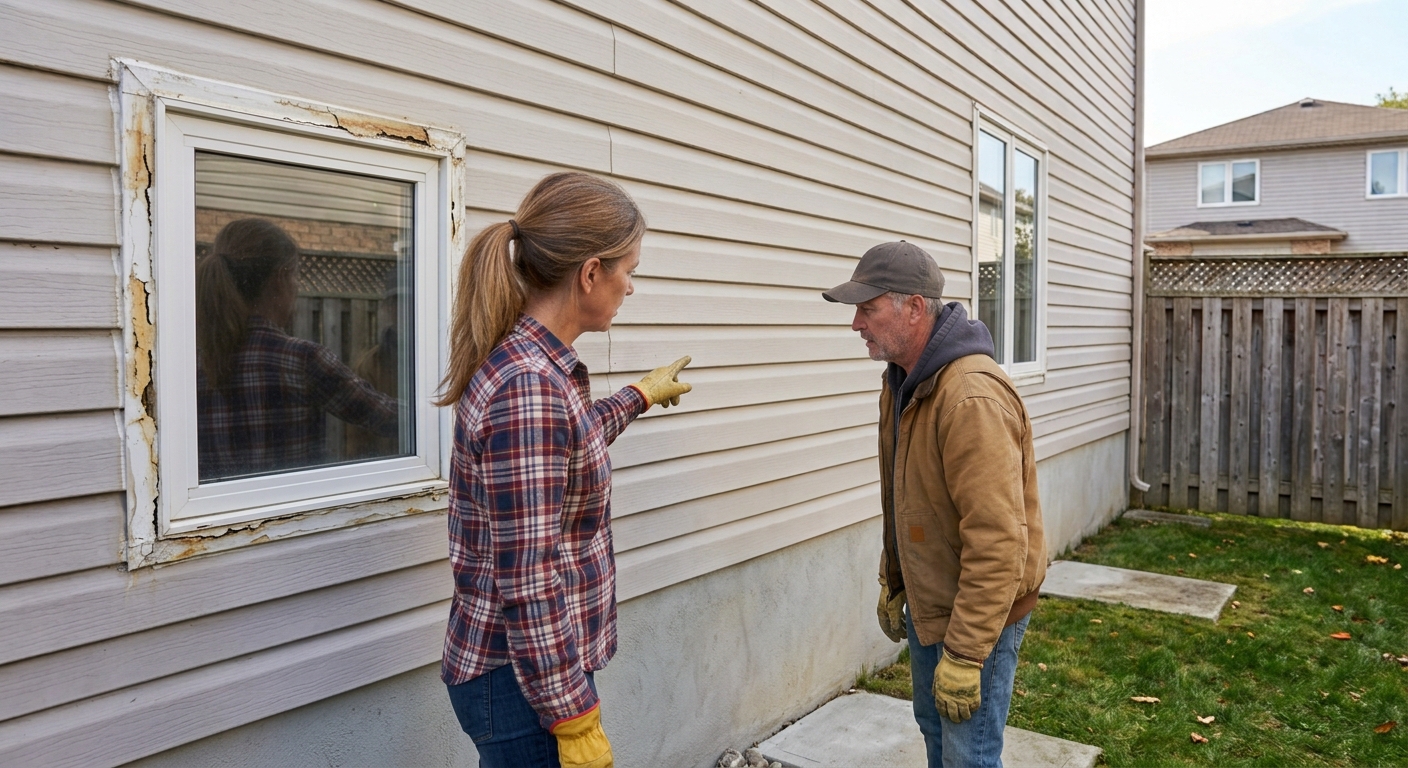
Over time, Ottawa’s extreme seasonal temperature swings cause exterior caulking around windows, doors, and foundation penetrations to shrink, crack, and peel away. Failing seals allow cold air drafts into your living spaces—driving up autumn heating bills—and permit rainwater to seep into exterior wall cavities.
How to Fix It: Walk the perimeter of your home to inspect window frames, door trim, and utility line penetrations. Use a putty knife to scrape away loose or dried sealant, clean the area thoroughly, and apply a fresh bead of exterior-grade, paintable silicone or polyurethane caulk. Replace worn rubber weatherstripping along exterior door thresholds.
When to Call a Professional: If you spot soft or rotting wooden window frames, fogging between double-pane glass, or drafty areas with significant moisture staining on interior drywall, a deeper inspection is recommended to assess potential hidden rot or structural sealing issues.
4. Service Heating & Ventilation Systems
After sitting idle through the summer, turning on your furnace without prior maintenance can circulate accumulated dust, allergens, and combustion contaminants throughout your home. Additionally, blocked Heat Recovery Ventilator (HRV) exterior vents reduce fresh air exchange, leading to excess indoor humidity and window condensation during cold months.
How to Fix It: Replace your HVAC air filter with a fresh, correctly sized filter. Vacuum dust from supply registers and return vents, and test your thermostat in heating mode. Step outside to check your HRV and dryer exhaust hoods, clearing away leaves, bird nests, or lint buildup from the exterior mesh grilles.
When to Call a Professional: If your furnace makes unusual squealing or banging sounds, fails to ignite, produces a burning odour that lingers longer than a few minutes, or if your furnace serial number indicates an aging unit near the end of its typical lifespan, schedule an HVAC technician or comprehensive home inspection.
5. Check Roof Flashing & Shingle Condition
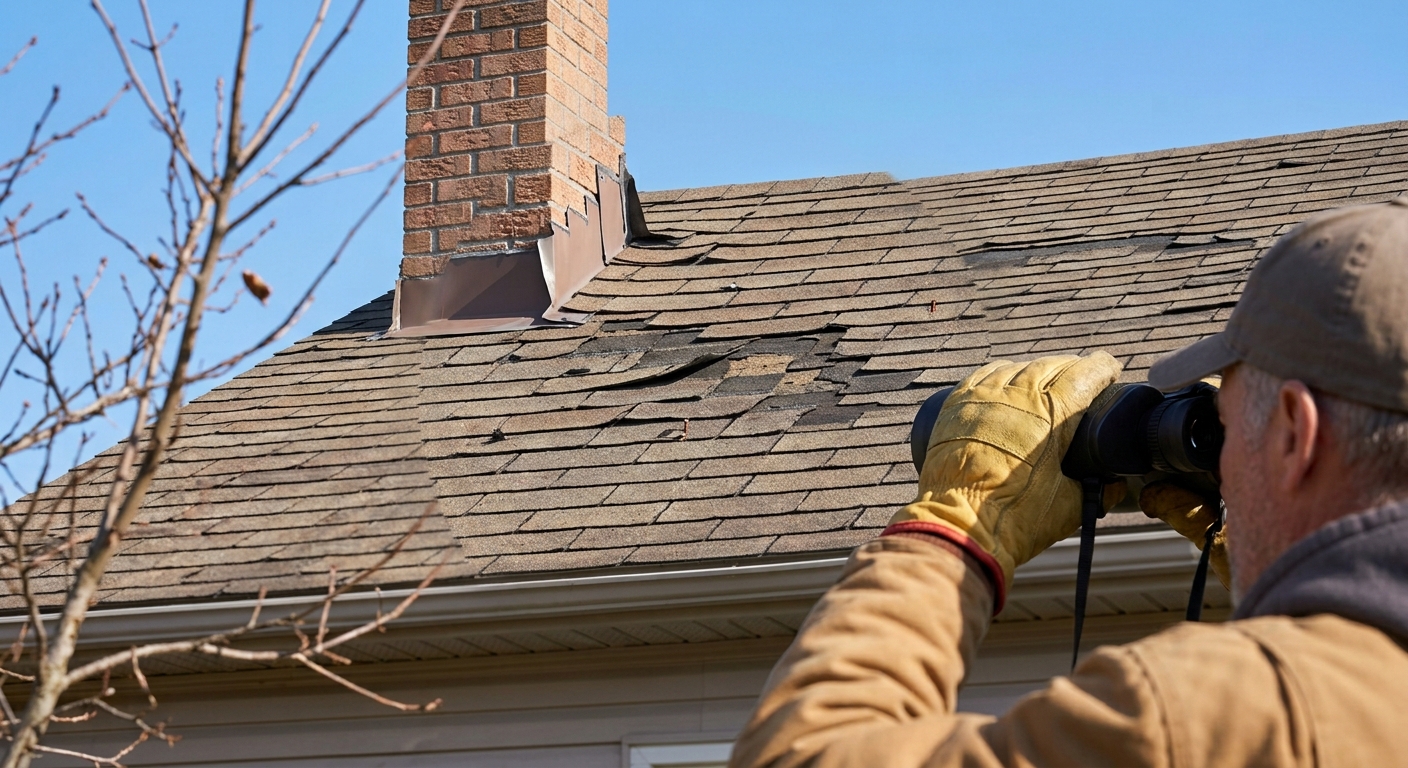
Ottawa winters bring heavy snow accumulation and ice loads that put immense stress on your roofing system. Missing, curling, or damaged asphalt shingles, along with loose flashing around chimneys and vent pipes, create direct entry points for water to seep into your attic during fall rains and winter snowmelts.
How to Fix It: Perform a visual inspection from the ground using binoculars—avoid climbing onto wet or icy roofs. Look for missing shingle tabs, exposed nail heads, lifting metal flashing, or cracked rubber boots around plumbing vent stacks.
When to Call a Professional: If you observe widespread shingle loss, sagging roof lines, or water staining on attic rafters or ceilings inside your home, reach out to a professional to evaluate roof integrity before winter snow hides the damage.
6. Test & Refresh Home Safety Devices
As homes are sealed tight for the heating season and fuel-burning appliances run continuously, the risk of carbon monoxide (CO) buildup and home fires increases. Functioning safety detectors are your family's first line of defence against invisible, odourless gas hazards and electrical fires.
How to Fix It: Press the test button on every smoke and carbon monoxide detector in your home, replacing batteries in any unit that chirps or fails the test. Check the pressure gauge on your fire extinguishers to ensure the needle is in the green zone, and clear out built-up lint from your clothes dryer transition ductwork.
When to Call a Professional: If hardwired smoke alarms fail to respond after battery replacement, or if you suspect gas odours near your water heater or furnace, contact your utility provider or a certified home inspector right away.
7. Seal Foundation Gaps & Rodent Entry Points
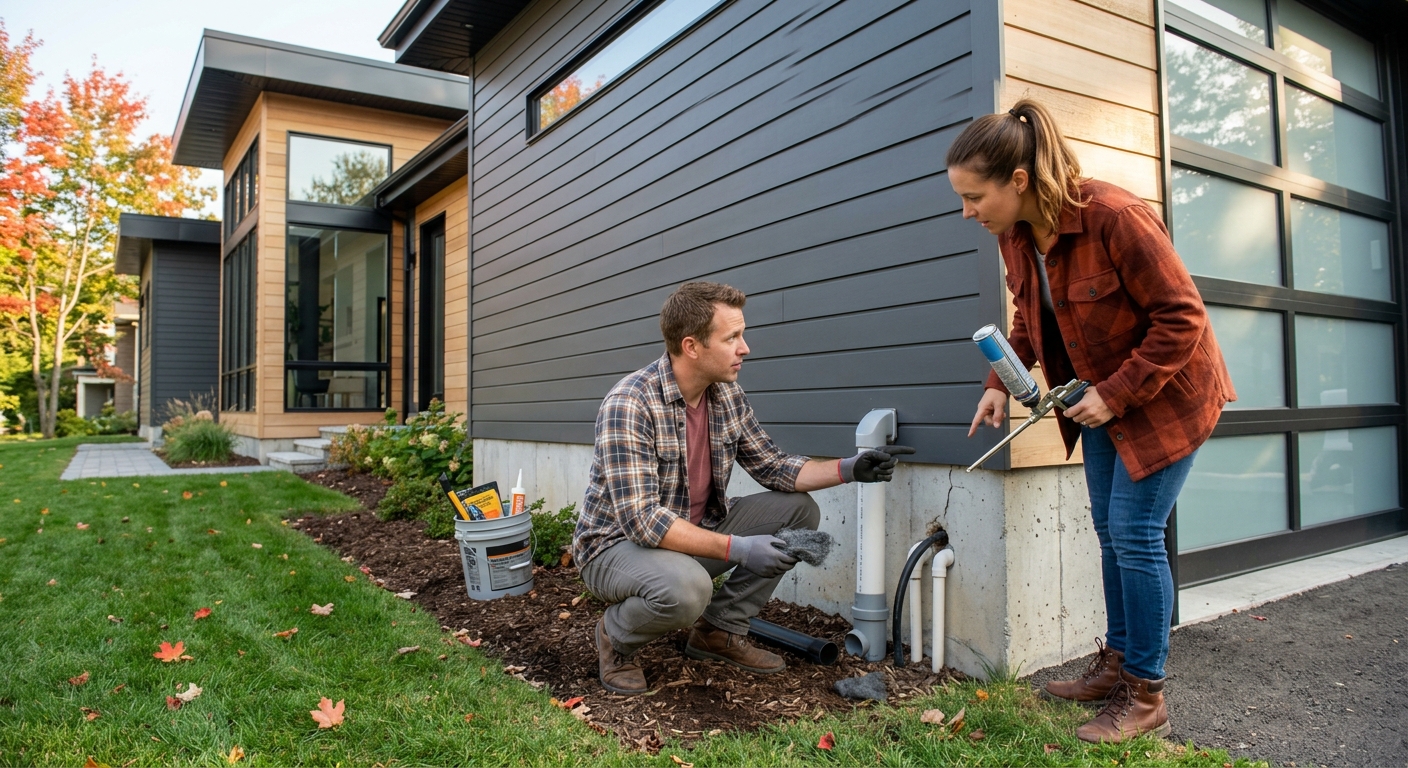
As outdoor temperatures drop in September, field mice and other small pests actively search for warm shelter and food sources inside residential homes. Small foundation cracks, gaps around basement utility pipes, or worn garage door bottom seals offer easy access points for rodents to enter wall cavities.
How to Fix It: Inspect your home's exterior foundation wall, siding edges, and garage door seals. Seal gaps larger than a quarter-inch using a combination of heavy-gauge steel wool (which pests cannot chew through) and exterior expanding foam or hydraulic cement.
When to Call a Professional: If you discover large structural foundation cracks, bowing basement walls, or signs of extensive pest intrusion inside finished living spaces, an expert assessment is required to ensure your foundation and structural components remain sound.
Keep Your Ottawa Home Safe & Secure All Year Long
Taking a weekend to complete these straightforward maintenance tasks goes a long way toward protecting your property from Eastern Ontario's harsh winter weather. Staying proactive keeps maintenance costs manageable and gives you complete peace of mind.
If you encounter unexpected warning signs during your fall inspection—or if you are buying or selling a property this season—our team is here to provide clear, reliable guidance. Contact us today at 613-292-PEAK (7325) to speak with our experts, or schedule your home inspection online to get a comprehensive view of your home's condition.
Have questions about your seasonal checklist? Contact Atlas Peak Inspections or explore more home care guides on our main website.