


-
Pre-Winter Heating & Indoor Air Quality: Prepping Your Furnace & HRV for Ottawa Winters
As autumn temperatures cool down across Ottawa, Orleans, Nepean, and surrounding communities, home maintenance shifts indoors. October is the crucial transition month when heating systems are turned on full-time. Taking an hour to inspect, clean, and service your furnace and ventilation equipment now ensures lower heating bills, better indoor air quality, and peace of mind before the deep freeze arrives.
Use this practical DIY guide to prepare your home’s heating and air systems for an Eastern Ontario winter.
1. Master Your Furnace Filter Replacement Schedule
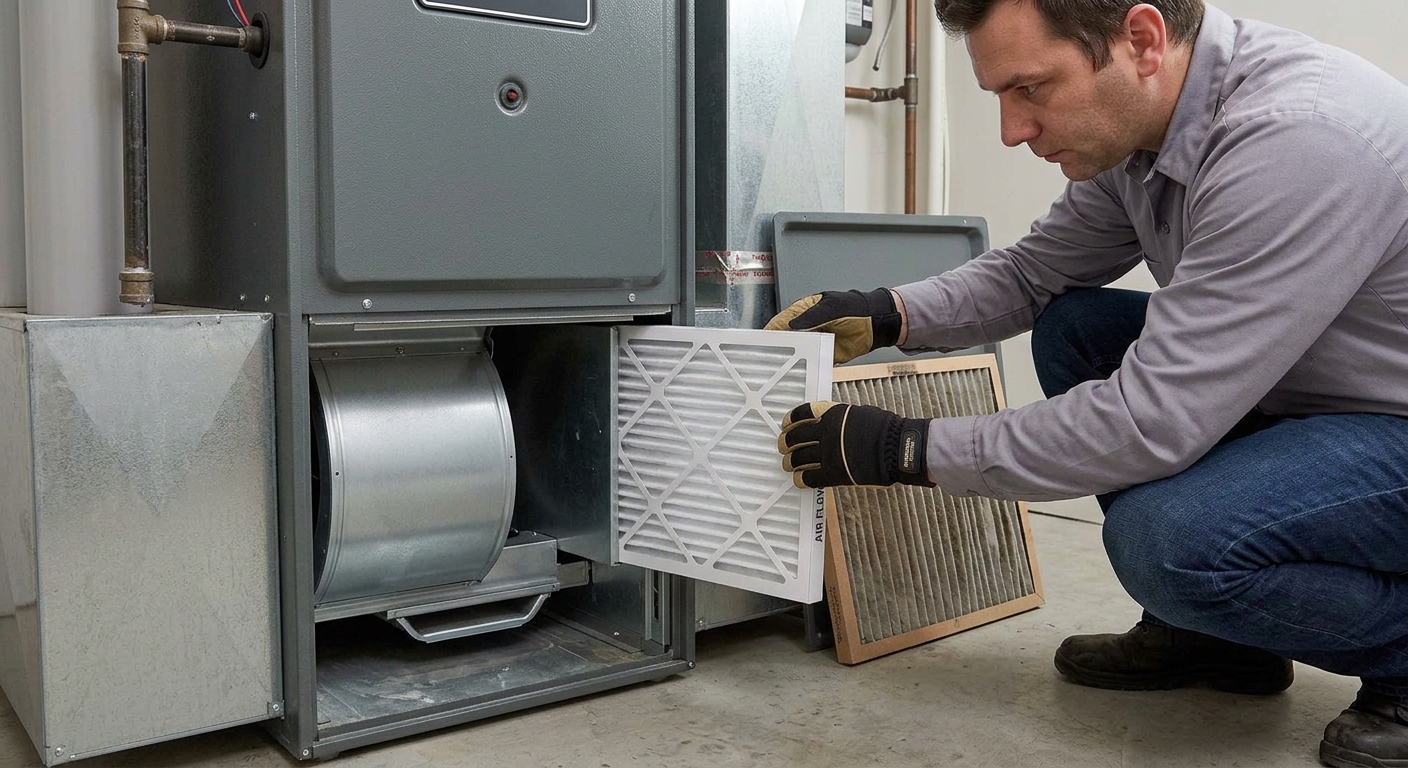
Your furnace air filter protects the blower motor and heat exchanger from dust and debris while maintaining healthy indoor air quality. Over time, a clogged filter restricts airflow, forcing your heating unit to work harder, consume more energy, and suffer unnecessary mechanical wear.
How to Fix It: Remember our simple rule: New season, new filter. Replace standard 1-inch disposable filters every three months at the start of each season. For larger 4-inch or 5-inch media filters, an annual replacement is typically sufficient, though homes with large families or pets may require more frequent changes. Always choose a MERV 8 rating. Filters with higher MERV ratings restrict airflow into the furnace cabinet, stressing the system and leading to premature breakdowns. To clean the air of finer allergens, rely on standalone room air purifiers rather than overloading your furnace filter.
When to Call a Professional: If your new filter turns black quickly, if you smell persistent burning odors after the initial startup, or if your furnace struggles to heat your home evenly, have an inspector or HVAC professional check for duct leaks or heat exchanger issues.
2. Decode Your Furnace Age & Model Specs
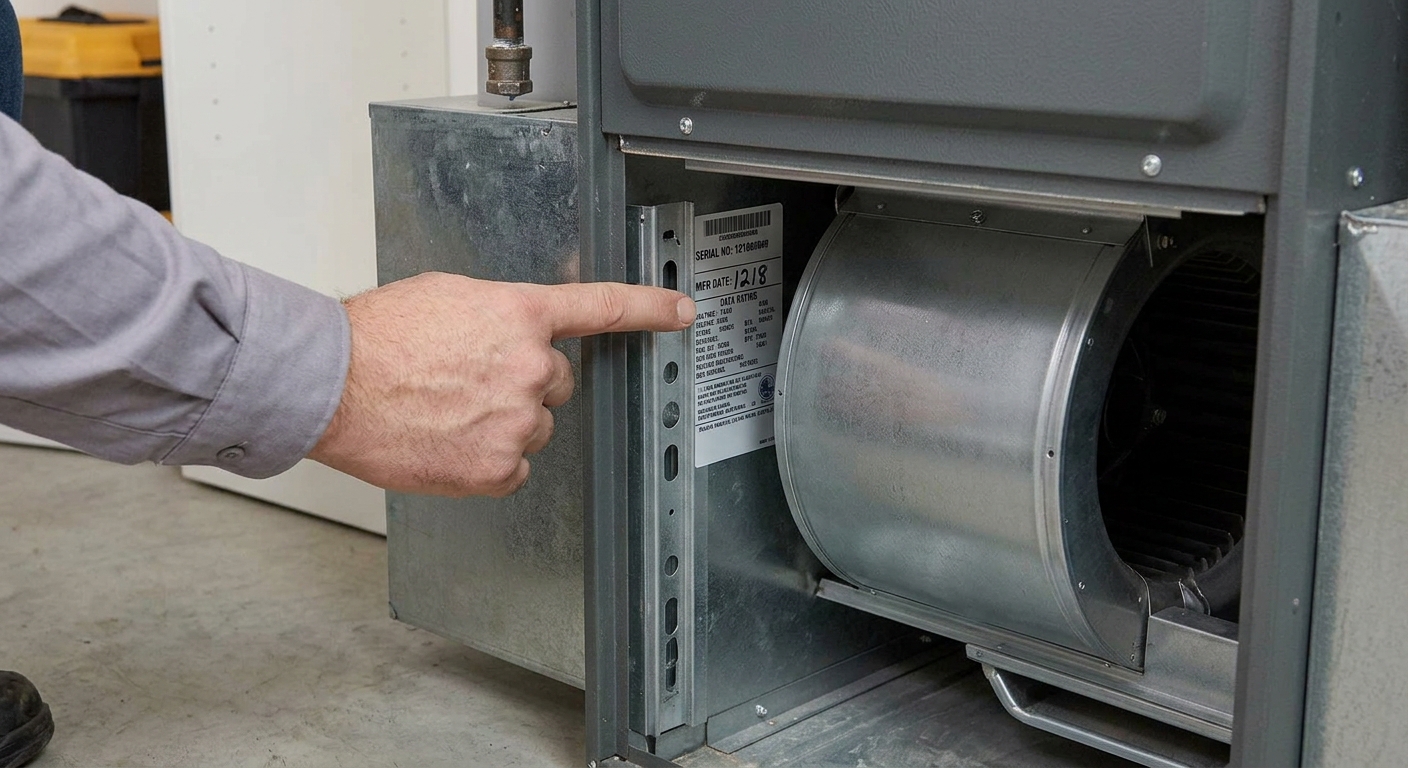
Knowing the age of your furnace helps you anticipate future maintenance needs or planned replacements before an emergency breakdown occurs in the middle of a cold snap. Modern units from top brands like Carrier, Goodman, Trane, Rheem, and Amana typically have an average service life of 15 to 20 years.
How to Fix It: Open the main burner access door on your furnace cabinet and locate the rating plate sticker. The easiest way to check its age is to look for the printed "Manufacture Date" or "MFR Date." If that isn't clearly visible, look at the first four digits of the serial number: on most major brands, these four numbers represent the week and year the unit was built (for example,
1218usually decodes to the 12th week of 2018).When to Call a Professional: If your unit is over 15 years old, displays visible rust on the cabinet, or exhibits strange noises during startup, schedule a full home or heating inspection to assess its overall condition and safety.
3. Clean Your Heat Recovery Ventilator (HRV) Core & Vents
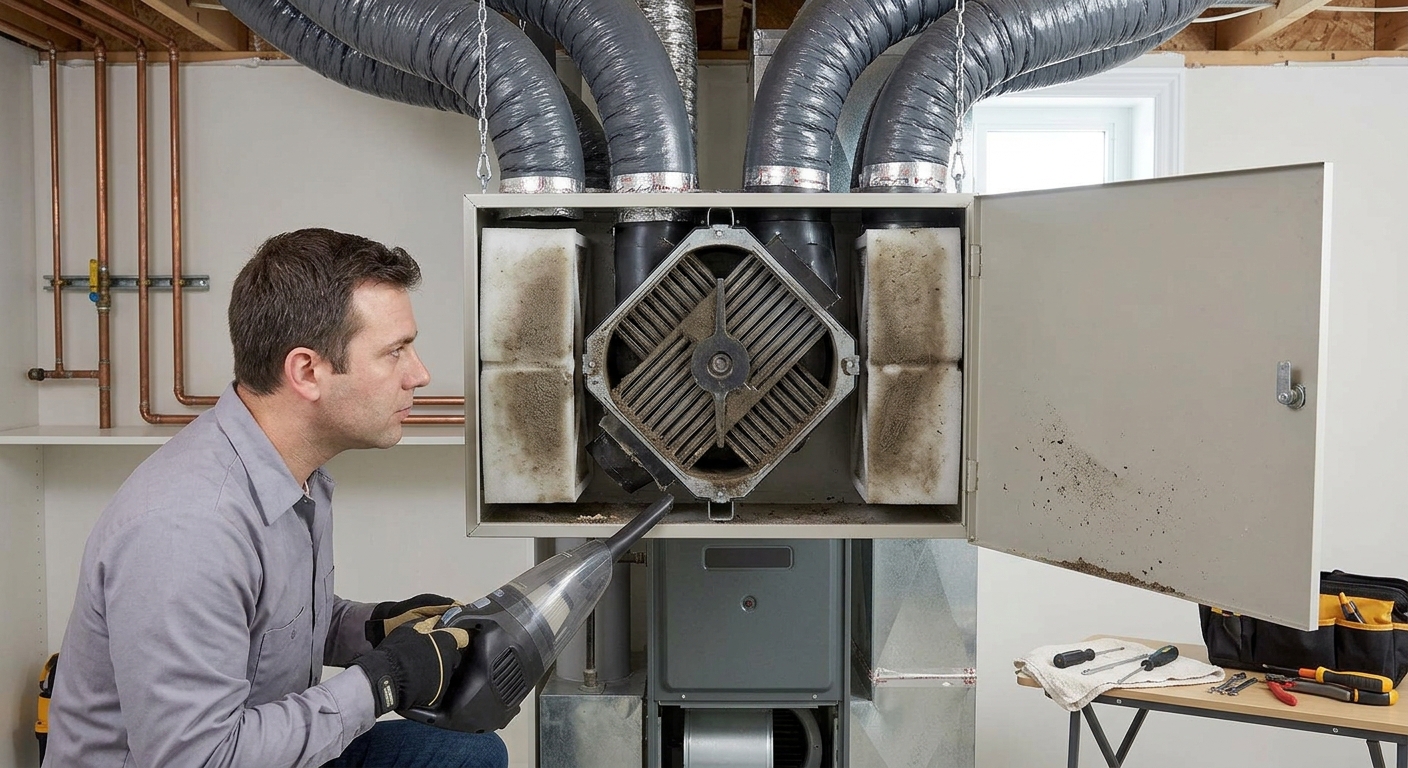
In modern energy-efficient Ottawa homes, a Heat Recovery Ventilator (HRV)—such as a Venmar, Lifebreath, or Van EE system—is essential for bringing in fresh outdoor air while exhausting stale indoor moisture. Without regular seasonal maintenance, HRV cores become clogged with dust, leading to stale indoor air and heavy condensation on windows.
How to Fix It: Every quarter—ideally at the same time you replace your furnace filter—turn off power to the HRV unit and open the access panel. Carefully slide out the foam/mesh filters and the central core. Vacuum accumulated dust from inside the cabinet housing, then rinse the core thoroughly using warm water and allow it to dry completely before reinstallation. Wash the foam filters with warm water and a tiny drop of mild soap, ensuring they are fully dry before putting them back.
When to Call a Professional: If your HRV unit makes grinding mechanical noises, fails to turn on when triggered by your wall control, or leaks water onto the floor around the base, consult a qualified technician.
4. Clear Exterior HRV & Sidewall Exhaust Pipes
High-efficiency furnaces and HRVs vent combustion gases and draw fresh air through PVC intake and exhaust pipes penetrating the exterior wall of your home. If these sidewall pipes become obstructed by fallen leaves, animal nests, or snowdrifts, your system will automatically shut down as a safety precaution.
How to Fix It: Head outside and inspect your exterior vent hoods and sidewall termination pipes. Clear away any fallen leaves, dead vegetation, or insect activity surrounding the openings. Make note of where these outdoor pipes exit your home so you can easily keep them clear of high snowdrifts during heavy Ottawa snowfalls.
When to Call a Professional: If exterior vent covers are cracked, missing protective bug screens, or if your high-efficiency furnace repeatedly shuts down with an error code, have an expert verify that combustion intake and exhaust lines are clear and properly sloped.
5. Check & Refresh Carbon Monoxide (CO) Alarms
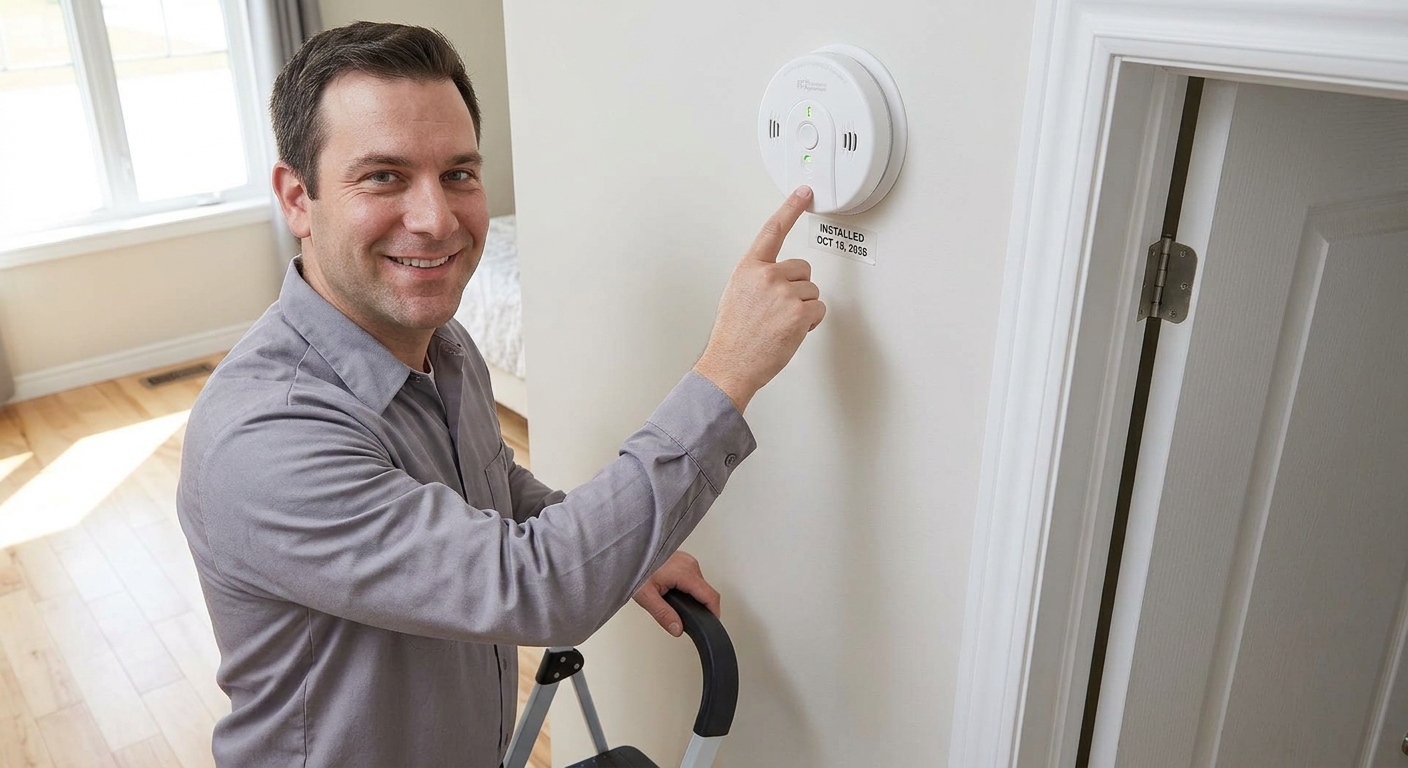
Carbon monoxide is a color-free, odorless gas produced by incomplete combustion in fuel-burning appliances like furnaces, water heaters, and fireplaces. Functioning CO detectors are an absolute necessity during the winter heating months when homes remain tightly sealed.
How to Fix It: While local building code requirements depend on when your home was constructed, the minimum safety standard is to install at least one CO detector on every level of your home. Ideally, place plug-in detectors in hallways directly outside all sleeping areas to alert your family before gas enters bedrooms. Press the test button monthly. Practice the rule of "New year, new battery" by replacing batteries every January 1st, and replace the entire unit every 10 years based on the manufacturer date printed on the back.
When to Call a Professional: If a CO alarm sounds continuously, evacuate your home immediately and call emergency services. If hardwired units chirp repeatedly despite fresh batteries, contact an electrician or inspector to evaluate your unit's age and wiring.
6. Monitor & Balance Indoor Relative Humidity
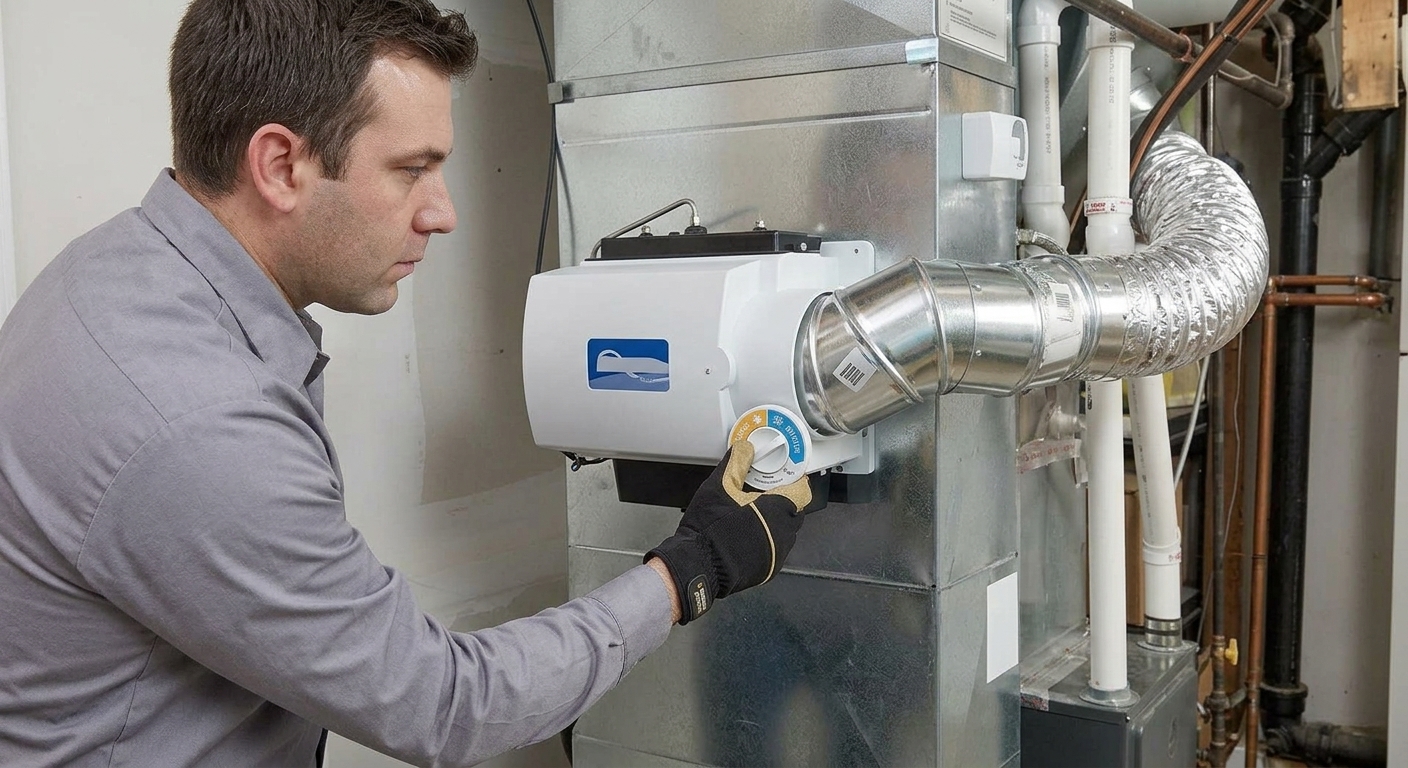
Ottawa winters feature cold, dry outdoor air, but indoor activities like cooking and showering add moisture inside. Unbalanced humidity causes health discomfort when too dry, or destructive mold growth and window rot when too damp.
How to Fix It: Avoid relying solely on dial readings attached to your ductwork; instead, place a simple, dedicated digital humidity monitor in a central living area. Target relative humidity levels between 40% and 60%. Below 40%, dry air irritates breathing passages and increases susceptibility to seasonal illness. Above 60%, your indoor air creates a "rainforest climate" where mold thrives. Adjust your furnace humidifier dial or HRV control settings up or down based on your room monitor's readings.
When to Call a Professional: If you notice severe, constant condensation pooling along lower window glass, damp drywall patches, or visible mold growth around window frames despite adjusting your controls, bring in a professional to investigate indoor moisture sources and ventilation performance.
7. Recognize Heating System Operational Warning Signs
Homeowners don't need technical HVAC expertise to spot early warning signs of furnace trouble. Listening and paying attention to normal system cycles allows you to catch minor issues before they lead to full system failures.
How to Fix It: Pay attention to how your furnace sounds and operates during daily heating cycles. Watch out for strange noises like squealing, metallic clanking, or loud booming upon startup. Take note of short-cycling—when your furnace repeatedly turns on for a few minutes, shuts off abruptly, and turns back on again without reaching the thermostat's set temperature.
When to Call a Professional: Short-cycling and unusual noises indicate underlying issues like overheating, failing limit switches, or severe airflow blockages. Contact an expert promptly to diagnose the system before a breakdown leaves you without heat.
8. Optimize Supply & Return Air Vent Circulation
For forced-air heating systems to operate efficiently, air must circulate freely throughout every room. Restricting airflow creates backpressure inside ductwork, straining the furnace blower motor and causing uneven room temperatures.
How to Fix It: Walk through your home and ensure supply registers and return air grilles are completely unobstructed by sofas, area rugs, long curtains, or clutter. Keep supply vents open—contrary to popular belief, closing off registers in unused rooms disrupts system balance, increases static duct pressure, and forces your furnace to work harder. Vacuum dust and pet hair off return grilles so debris isn't drawn straight back into your clean furnace filter.
When to Call a Professional: If specific rooms remain cold despite open vents, or if you suspect disconnected or uninsulated duct runs passing through unheated attic or garage spaces, schedule an inspection to locate airflow losses.
Knowing When to Call the Experts
Taking care of basic filter swaps, HRV washdowns, and safety checks keeps your home running smoothly through the fall transition. However, DIY care has its limits.
Whenever you encounter unexpected performance issues, feel unsure about what is happening inside your home's mechanical systems, or simply want a complete, objective overview of your property's overall condition, our team is here to help. We provide transparent, thorough home inspections to ensure your property remains safe, comfortable, and efficient all year long.
Have questions about your seasonal maintenance, or looking for a comprehensive property evaluation? Contact our certified team today at 613-292-PEAK (7325) to speak with us directly, or schedule your home inspection online.
For more local Ottawa home care guides, visit our main website or get in touch with Atlas Peak Inspections today.