


-
Driveway & Walkway Maintenance: Stopping Freeze-Thaw Damage Before Winter Hits
As late summer rolls into August across the Ottawa region, most homeowners are focused on enjoying the warm weather, squeezing in weekend barbecues, and prepping for the back-to-school routine. However, August is also the ideal window to take a close look at the hardscaping around your property—specifically your driveway and interlocking walkways.
During the summer, intense UV exposure and heat cause asphalt and stone to expand. But as autumn approaches, bringing heavy rains followed by freezing winter temperatures, those minor surface flaws can quickly turn into costly structural damage. The culprits? Ottawa’s intense freeze-thaw cycles. Water seeps into small cracks or settled areas, freezes, expands, and breaks apart your hardscaping from the inside out.
Taking time to perform simple exterior maintenance now will preserve your curb appeal, prevent trip hazards, and save you thousands of dollars in premature replacements.
Here are the 5 main points every homeowner should consider this August to protect their driveways and walkways before winter arrives.
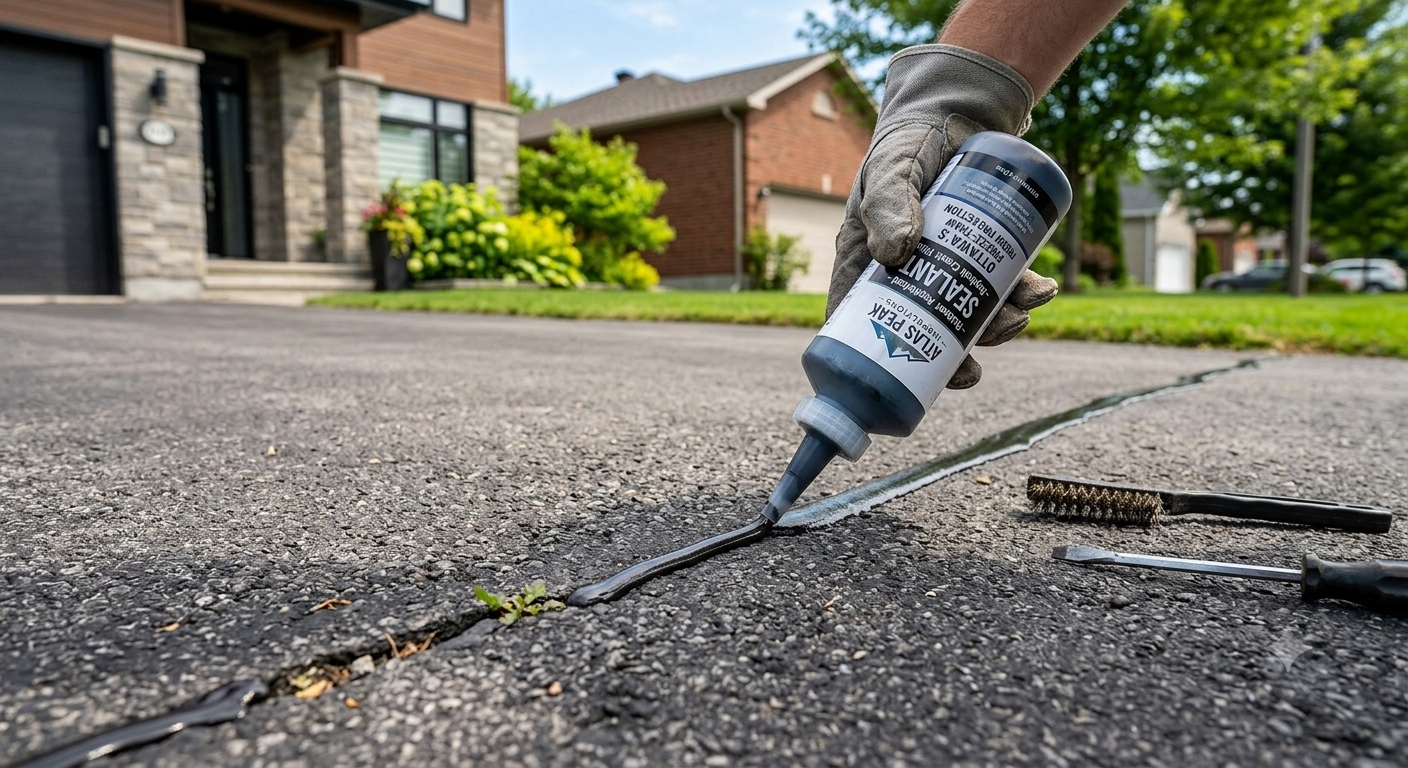
1. Spotting and Sealing Asphalt Cracks Early
Hairline cracks in an asphalt driveway may seem purely cosmetic, but they are the primary gateway for water intrusion. Rainwater sinks into these narrow fissures, reaches the sub-base beneath the asphalt, and washes away the supporting gravel. When winter hits, trapped water expands as ice, forcing the pavement upward and creating large potholes come spring.
What to look for: Look for linear cracks wider than a quarter-inch, as well as "alligatoring" (cracks that look like reptile skin, signaling sub-base failure).
Action step: Clean out loose debris and dirt from cracks using a wire brush or pressure washer. Once completely dry, apply a rubberized hot-pour or cold-pour asphalt crack filler. Sealing these gaps in August ensures the material cures properly in warm, dry weather.
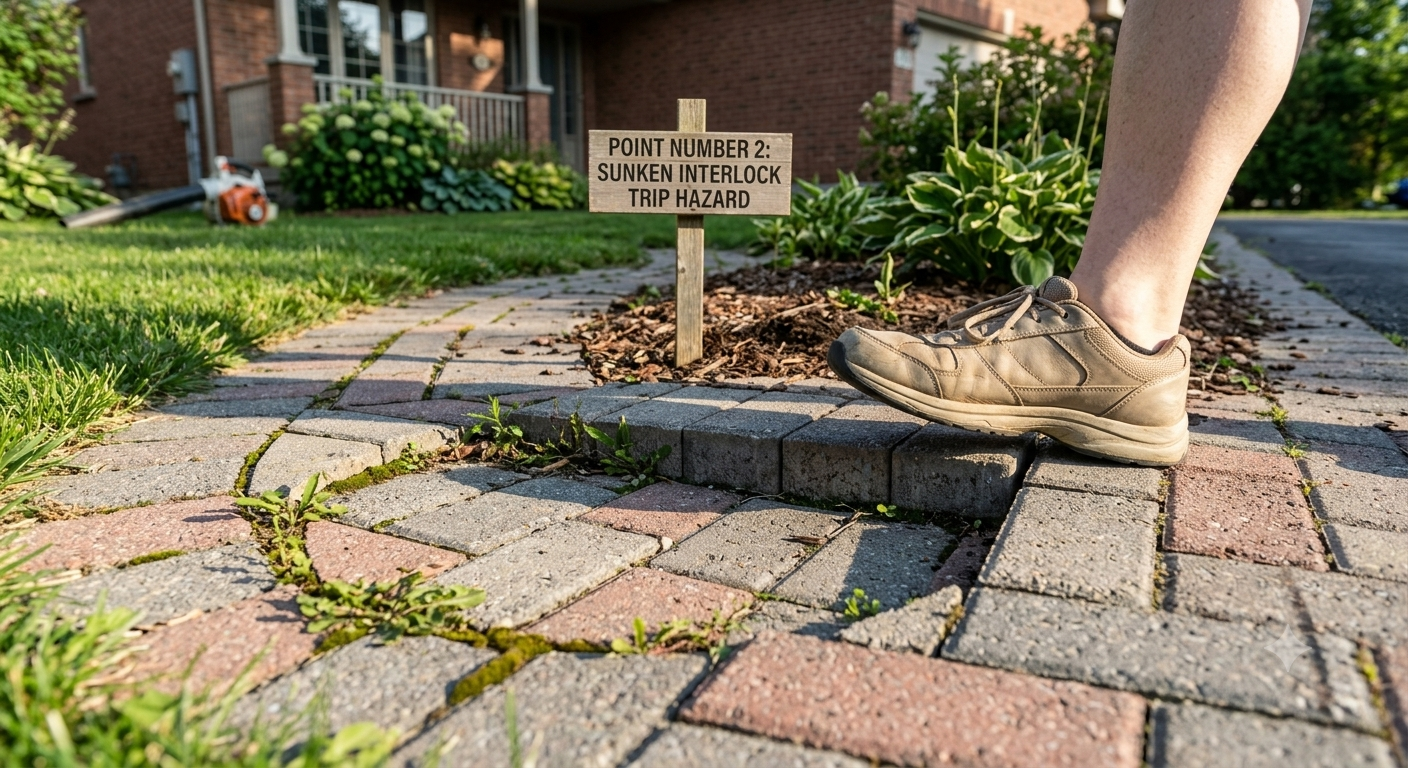
2. Fixing Settled Interlocking Pavers (The 1/2-Inch Rule)
Interlocking stone walkways and patios are designed to flex with the ground, but over time, water runoff and soil movement cause individual pavers to sink. A settlement of just 1/2 inch is enough to catch the toe of a shoe, creating a significant tripping hazard for family, visitors, or delivery drivers. In winter, these uneven edges will also snag your snow shovel, damaging both the shovel and the stone.
What to look for: Walk your pathways and look for low spots where rainwater pools, as well as vertical lips between adjoining stones that exceed 1/2 inch.
Action step: Lift the sunken pavers using a screwdriver or pry bar. Add a fresh layer of crushed stone dust or bedding sand underneath, tamp it down level with the surrounding area, and reinstall the pavers.
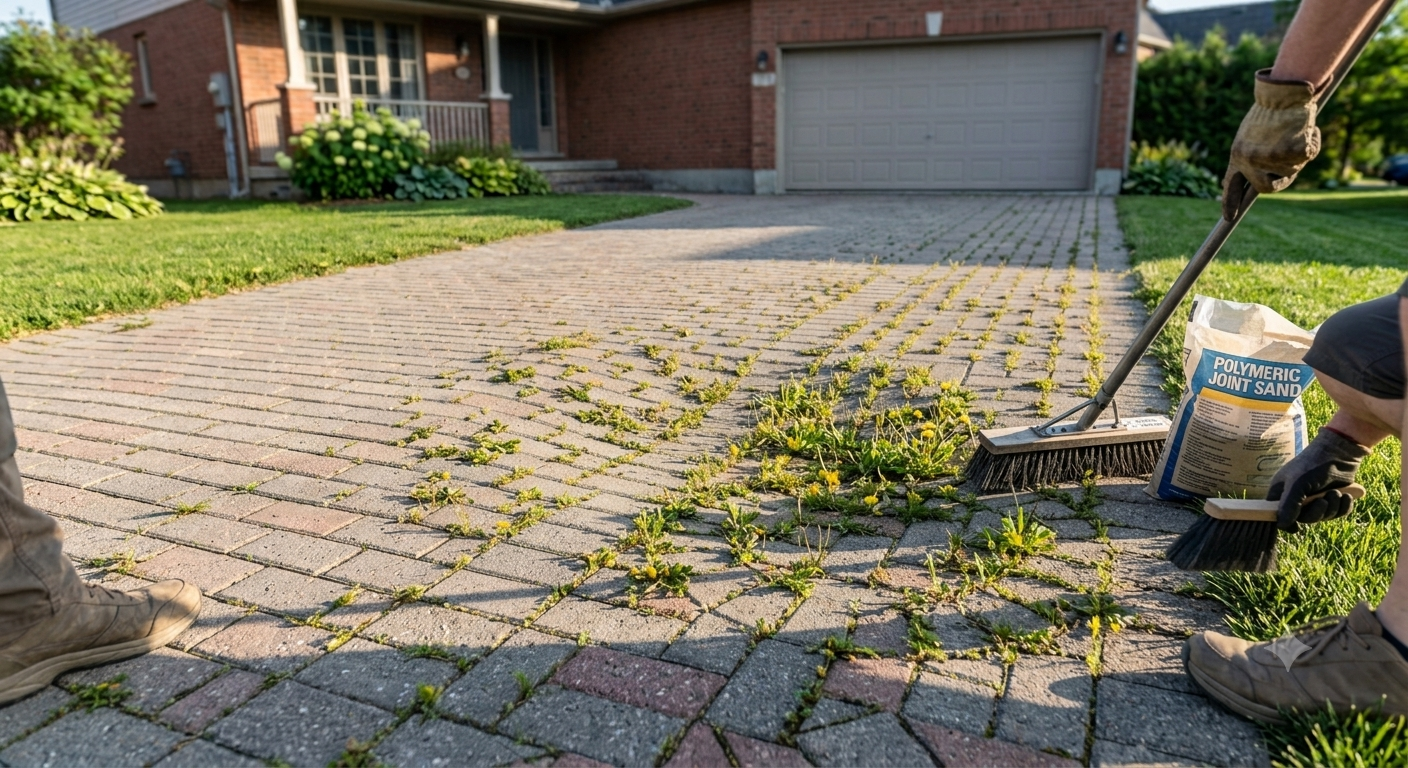
3. Re-Sanding Joints to Lock Stones in Place
The polymeric sand between interlocking pavers does more than just look neat—it plays a critical structural role. Joint sand locks the pavers together so weight is distributed evenly across the surface. It also acts as a barrier to keep weeds from taking root and prevents water from washing out the base material underneath.
What to look for: Look for washed-out joint sand, deep gaps between stones, or persistent weed growth along your walkway.
Action step: Sweep away weeds and old debris. On a completely dry day, sweep fresh polymeric sand into the joints until full, blow off any excess dust from the surface of the stones, and lightly mist with water to activate the binding polymers according to the manufacturer's instructions.
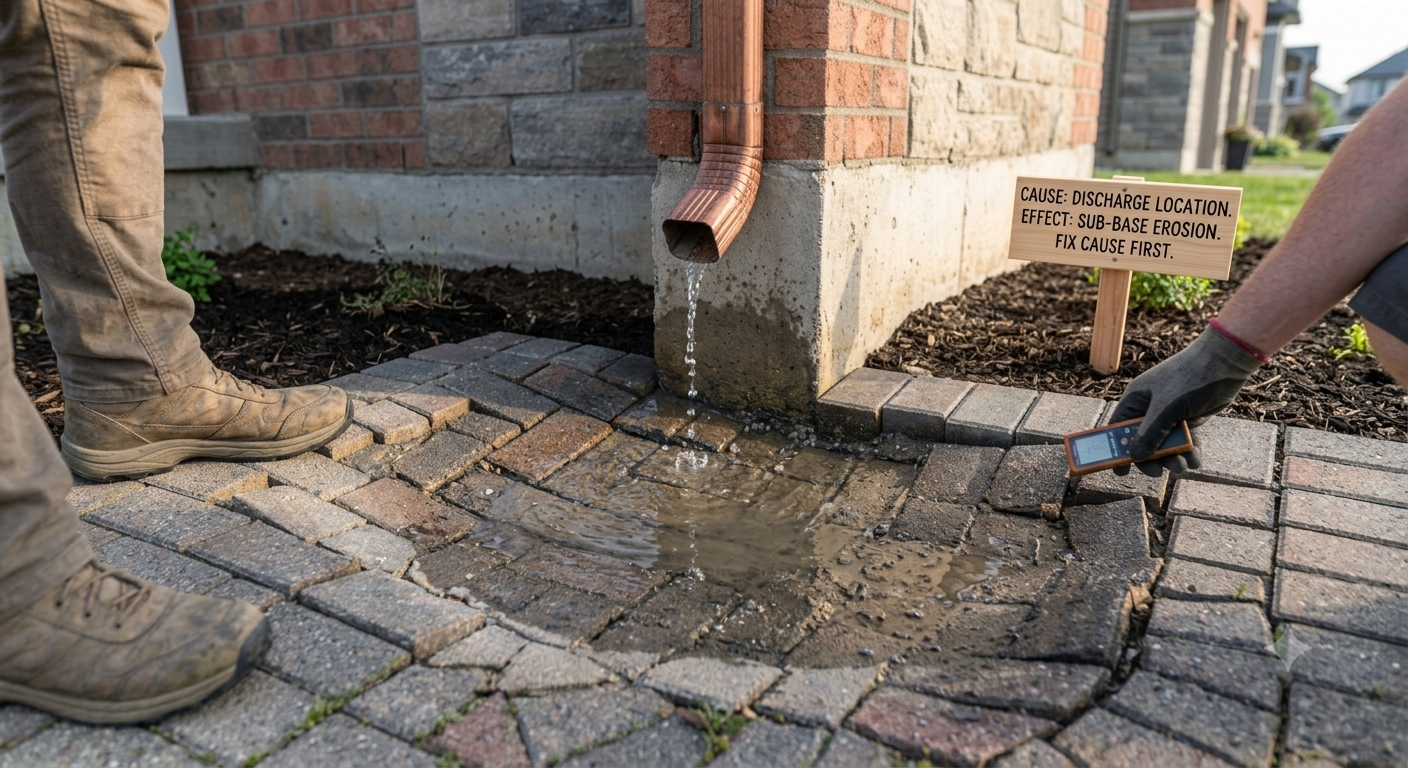
4. Managing Water Runoff and Edge Restraints
Your hardscaping is only as stable as the soil and drainage surrounding it. Downspouts that dump water directly onto a driveway or interlocking path will erode the base material rapidly. Additionally, plastic or metal edge restraints hold interlocking stones in place; if these break or lift out of the ground, the entire edge of your walkway will begin to spread outward.
What to look for: Check that downspout extensions direct water at least 4 to 6 feet away from paved surfaces and foundation walls. Inspect the outer borders of your interlock to ensure the plastic edging and metal spikes are securely buried.
Action step: Re-secure loose edge restraints with long landscape spikes, and extend downspouts into lawn areas or garden beds where water can absorb safely into the ground.
5. Cleaning and Protective Sealing
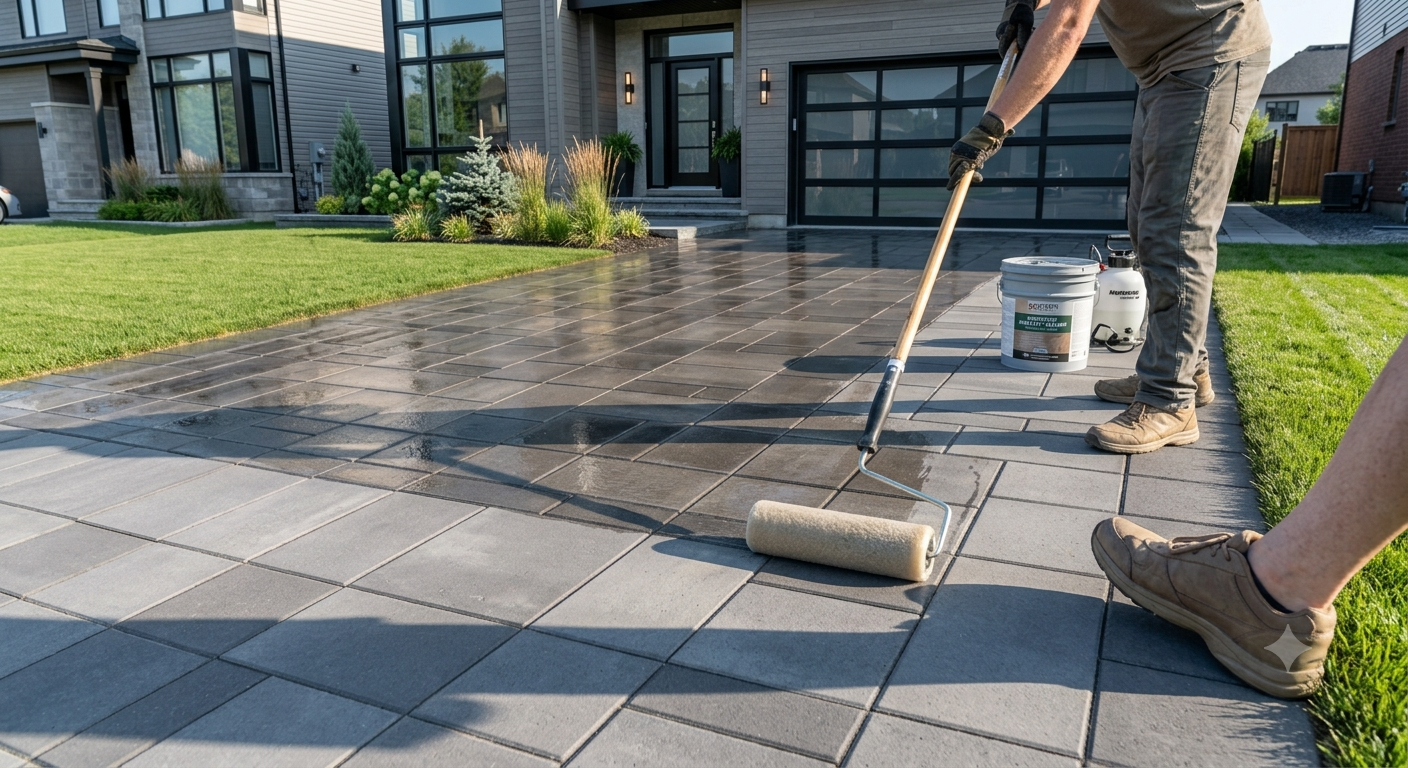
Engineered stone pavers and asphalt are porous surfaces. Motor oil, tree sap, and organic matter weaken the surface binders over time. Applying a high-quality sealer creates a protective barrier that repels oil stains, reduces water absorption, and prevents salt damage during Ottawa’s harsh de-icing season.
What to look for: Faded, discolored stones or asphalt that absorbs water instantly rather than letting it bead up on the surface.
Action step: Power wash the surface thoroughly to remove oil, moss, and dirt. Allow it to dry completely for at least 24 to 48 hours, then apply an appropriate concrete paver or asphalt sealer using a roller or sprayer.
Protecting Your Investment Year-Round
A little proactive maintenance in August goes a long way toward extending the life of your home’s hardscaping. By addressing cracks, settlement, and drainage issues now, you can rest easy knowing your driveways and walkways are safe for your family and built to withstand whatever an Ottawa winter brings.
If you ever have questions about your home’s exterior structural health, grading, or drainage—whether you are buying, selling, or maintaining your home—The Team at Atlas Peak Inspections is always here to help provide clarity and peace of mind.
Have questions about an upcoming project or need a professional evaluation of your property? Schedule a Home Inspection or Contact Our Team today!